Today I want to name what is true for me, plainly and without apology. I am trying to stand in a steadier place—a kind of quiet masculinity that is present, aware, and careful with its strength. This is not toughness for show; it is steadiness that comes from paying attention to myself and to the people around me. It is the work of learning how to be both firm and soft at once: responsible for my actions, and open to being seen. I am better now at noticing my feelings in the moment. I can name them—afraid, ashamed, lonely, hopeful—and that naming helps them lose some of their power to surprise me. Naming doesn’t fix everything, but it gives me a map. It allows me to choose what I do next, instead of being hijacked by an old pattern. When I say the name of the feeling out loud or to myself, I give it a place to sit instead of letting it run through me like a storm I can’t find shelter from.
Vulnerability costs me a lot of energy. Opening up is not simple or casual; it asks me to dig into places I rarely visit because they still hurt. Those memories are heavy and raw. They are not elegant stories I can package neatly—they are splinters under my skin. When I bring them up, the ache is still there, vivid and stubborn. I do it anyway because holding them in alone has taught me how corrosive that silence can be. I tell these things because I want to be honest, not because I want sympathy. I want witness and steady attention. I want someone who will stay with me through the discomfort instead of turning away. Part of the pain I hold is that sometimes this hurt has spilled out and hurt others. That possibility—that my rawness, my confusion, or my withdrawal has caused pain to the people I care about—is a blind spot I can no longer excuse away with excuses about survival. It matters, and I need to learn to see it, to own it, and to take steps to change it. Owning this is hard because it forces me to look at parts of myself I want to protect. The work of repair is slow and awkward; I am not always sure what it looks like. That uncertainty makes me want to quit, but I also know that the alternative is repeating the same things that keep me and others small.
Right now I feel alone again. That loneliness is practical and emotional. I sought closeness with someone I trusted, and in the moment when I needed them to hold my hurt, they couldn’t. They couldn’t stay with the weight of it, or perhaps they were frightened by it—I can’t know for certain. What I do know is how that felt: exposed, deflated, and suddenly more isolated than before. I’m left holding the hurt I had hoped to share, and the distance that opened between us feels like a second wound. I am trying to accept what I cannot control while also refusing to let the things I can change go unaddressed. I cannot force another person to stay. But I can work on how I bring my hurt into the room: clearer, steadier—with one request that don’t assume the other person is the only answer. I can practice asking for small, concrete things—to listen, to sit the hurt with me without fixing, to ask one question and wait for my answer. Those requests feel less like demands and more like invitations for someone to choose to be with me.
I need to be honest about what I want and about what I am working on. My new goal of building independence is not a retreat from connection—it is a project to become whole enough that my need for others is not a dependence but a deep and mutual joining. I want to be someone who can carry his own weight and also make space for others to carry theirs. That balance is fragile.
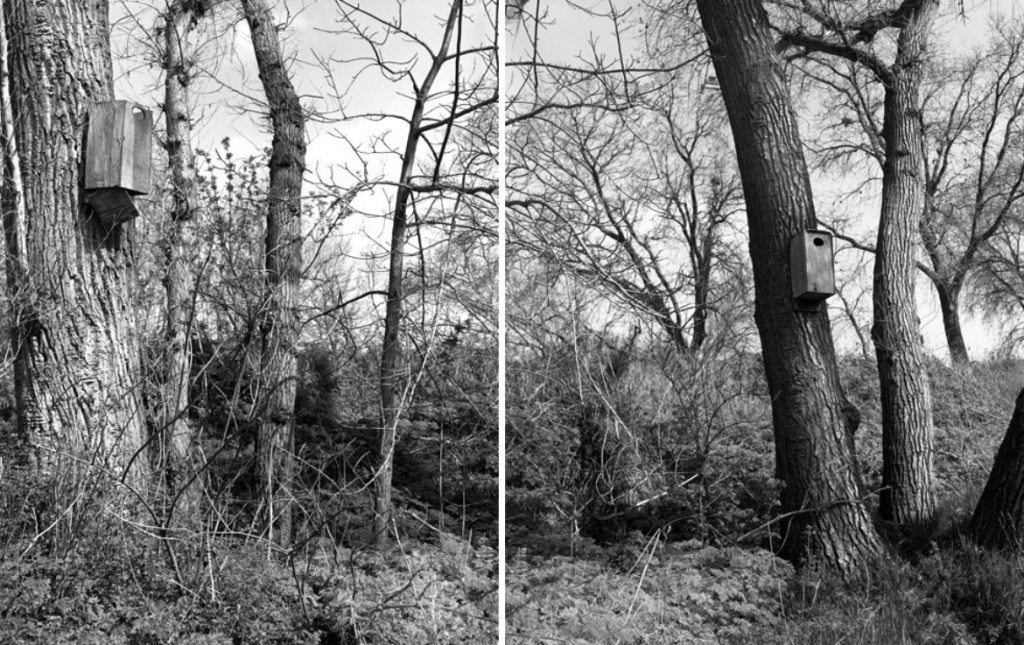
 Brandon Gehres
Leave a comment