The garden does not ask what time of year it is. It knows. It knows by the angle of light, by the temperature held in the soil, by the way moisture lingers or vanishes. It responds without debate. Leaves fall because it is time to let go. Roots thicken because they must hold through cold. Seeds wait because waiting is also a form of work. There is no panic in this intelligence, no urgency to explain itself. The garden practices trust by continuing. The gardener—me—arrives each day as a witness more than a director. Hands in pockets, breath in measures, I remind myself aloud that tending is not control. The garden does not need reassurance, but the gardener does. Saying this is enough becomes a ritual: enough water, enough patience, enough care for today. The gardener learns that showing up counts even when nothing seems to change. Especially then. Affirmation grows quietly, like mycelium beneath the surface, connecting effort to meaning long before anything breaks ground.
This garden is starting to confuse me. I am trying to understand my hurt the way one tries to understand a language they once spoke fluently and now can only recognize by accent. I know the sounds of it. I know the cadence. But the meaning slips. It is strange to feel pain and not immediately know where it belongs, especially when someone else is busy cataloging joy. She remembers warmth, remembers laughter, remembers the easy coherence of old conversations, the way words once leaned toward each other without effort. Meanwhile, I am standing in a quieter room, holding an ache I cannot translate, unsure if it is grief or shock or the dull exhaustion of loving something that has already been renamed. What confuses me most is the request itself: she wants me to declare that the future is impossible, that there is no door left to open, when it was her hand that closed it. There is something disorienting about being asked to supply finality for a decision you did not make, like being asked to sign your name at the bottom of someone else’s goodbye. I feel trapped between honesty and kindness, between the desire to protect myself and the impulse to keep her from ambiguity. I don’t yet know which impulse is wiser. I only know that my body feels tight, like it has been instructed to brace for an impact that already happened. So I am trying to learn how to sit still inside this confusion without demanding that it resolve itself. There are moments when the only honest posture is stillness, when the bravest thing is to remain in one place and allow the discomfort to exist without explanation. Hurt does not always arrive with a lesson attached. Sometimes it just wants a chair, wants to be acknowledged without being interrogated. I am learning that this kind of waiting, this quiet endurance, changes your priorities. You become less invested in how you appear to others once you realize how little time they actually spend thinking about you. Hurt has a way of shrinking the audience until there is only you and the truth of your breathing. It is as if the truth will set me free, but not until it’s done with me. Time to build a routine that does not revolve around a certain memory, even as her memory keeps knocking. I wake up and make coffee. I write things down instead of sending them. I ask myself questions that do not require quick answers. I practice speaking clearly, even when no one is listening, because clarity is a muscle that atrophies without use. I used to hang out in this garden. It’s hard to not place all my emotional weight on a single connection, how to distribute care across friendships, work, solitude, and the small rituals that anchor me back into my body. And does not mean withdrawing; rather, it means learning how to lean without collapsing. It’s as if someone is suggesting to me to try yoga, but I am that person. I still believe in kindness that does not bargain or keep score. I have seen moments of generosity that ask for nothing in return, gestures that exist simply because they can, like what marigolds do. Knowing this keeps me from becoming bitter. It reminds me that not every exchange needs a future to be meaningful. Some things are good even if they do not continue. Some people are kind without needing to be permanent. This belief feels fragile right now, but it is intact. There are nights when anxiety floods my chest and makes every thought feel loud and urgent, and yet I have learned that even then, the body can choose rest. I have surprised myself by drifting into sleep mid-spiral, as if some deeper system understands that vigilance is not the same as survival. Concentration, I am discovering, is work. Paying attention—to my breath, to my routines, to what is actually happening instead of what might—requires effort. It is work I often want to avoid. But avoidance has taught me nothing. Attention, even when painful, teaches me something every time. This moment is shaping me whether I consent to it or not. There is no neutral ground. I can let it fracture me, or I can allow it to mold me, slowly, imperfectly, through repetition and humility. Learning is not glamorous; it is often uncomfortable. It requires staying present when every instinct wants to flee. It requires listening to people who stumble, including myself, and treating failure as instruction rather than evidence of inadequacy. Growth is less about talent and more about what I am willing to look at without turning away. I don’t yet know what I will say, and I don’t yet know how to name my hurt cleanly. But I am understanding how to stay with it. I am learning how to pay attention without running. And for now, that feels like enough: to remain intact inside uncertainty, to let confusion be part of the curriculum, to trust that understanding will arrive not all at once, but gradually, as I continue to show up to my own life.
Life announces itself everywhere if you are willing to look closely. In the worm turning soil without recognition. In the stem that leans toward light without ambition. In the rot that feeds what will come next. Even decay participates. Nothing is wasted; it is only reassigned. The garden holds grief and renewal in the same breath, does not separate loss from continuation. Frost does not mean absence. Dormancy does not mean failure. When spring returns, it is not a miracle but a memory kept. The garden remembers itself through the dark. And the gardener (me), watching this, learns to trust their own seasons too. To believe that care given quietly, repeatedly, will eventually surface, alive and unmistakable, exactly when it is ready.
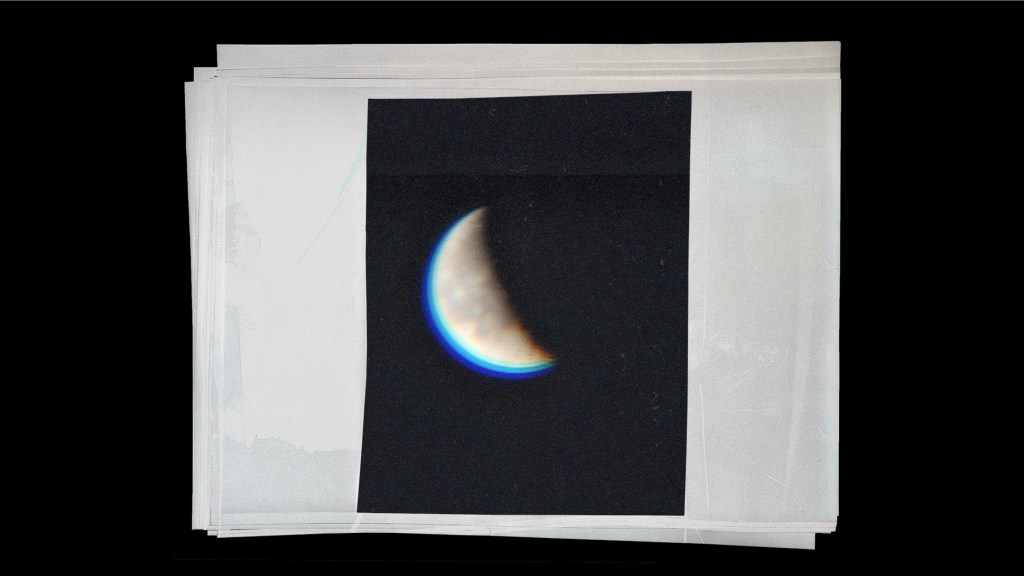
 Brandon Gehres
Leave a comment